Lula claims fourth term after closing 2.2 million vote gap
The 80-year-old veteran leader defeated Flávio Bolsonaro by 4.3 million votes in a runoff decided by a surge in voter turnout.
By Rachel Adams ·
Brazilian voters chose Luiz Inácio Lula da Silva for a fourth presidency on Sunday, ending a political gamble that had many observers counting him out after the first round. With nearly 99% of ballots tallied, Lula secured 51.75% of the vote against 48.25% for his challenger, Flávio Bolsonaro. The final margin placed Lula ahead by 4.3 million votes.
The race began in early October when Lula, who turns 81 on Tuesday, finished second in the first round. He trailed Bolsonaro, 45, by a deficit of 2.2 million votes. At that point, no candidate who had lost the first round in Brazil’s modern democratic era had ever won the subsequent runoff. The three weeks between rounds left Lula’s political future in doubt and his supporters in a state of uncertainty.
The reversal appears tied to a shift in voter participation. The first round recorded a record abstention rate of 21.08%, a figure that disproportionately affected Lula’s base, whose voters often live farther from polling places. In the runoff, the abstention rate dropped to 19.21%. Lula’s camp had identified higher turnout as its primary path to victory.
Reginaldo Lopes, a senior aide to Lula, told The Guardian he felt "incredible" once the outcome was confirmed. He stated that the result signaled Brazil’s stance against the extreme right and noted that the country would now "reorganize the democratic forces."
Lula’s victory complicates the political landscape for both the Bolsonaro family and the United States. Jair Bolsonaro, the father of the defeated challenger, is serving a 27-year sentence for plotting a coup. He is under house arrest in Brasília and had expected to re-enter government if his son won. The loss also interrupted a pattern of pro-Trump leadership in Latin America, which had included allies in Colombia, Ecuador, Chile, and Argentina.
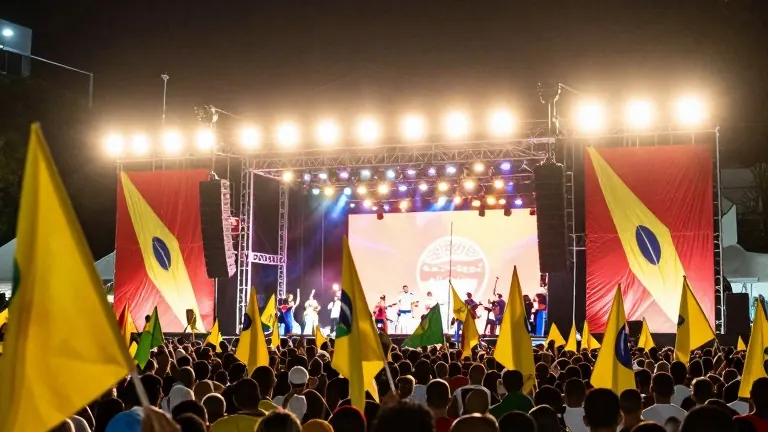
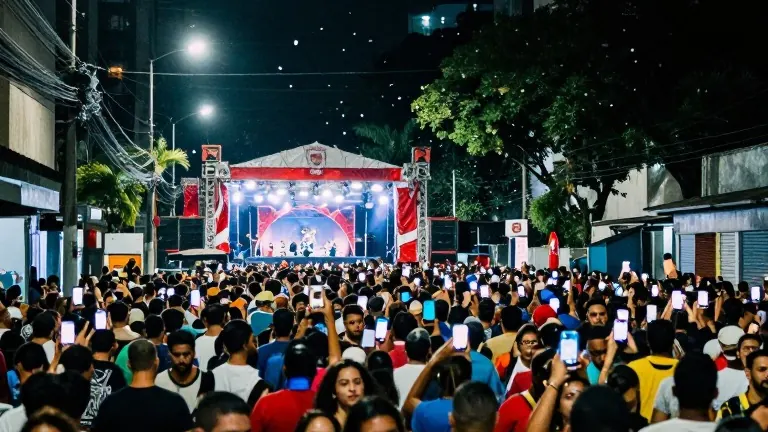
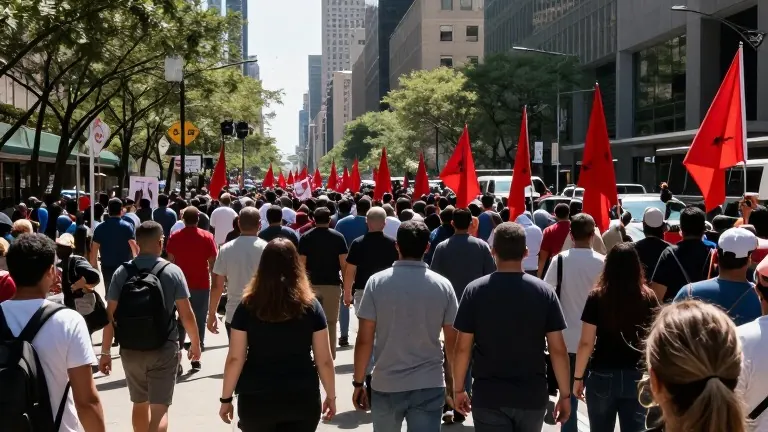
Crowds demonstrated their support in the days leading up to the vote. More than one million people gathered on Copacabana Beach in Rio on Saturday, while a larger group marched on Paulista Avenue in São Paulo. Hundreds returned to the avenue on Sunday to watch the count, waving red flags with Lula’s face. Camilo Buarque, 35, told reporters, "This is democracy."
In São Paulo, voters expressed frustration over an alleged attempt by pro-Bolsonaro politicians to disrupt voting by sabotaging public transport in areas favoring Lula. The plan did not succeed. Caio Marques, a 40-year-old photographer from Franca, observed that while the left had stumbled in the first round, it had woken up for the second.
Source: The Guardian