Ben-Gurion Airport sees 90,000 passenger surplus ahead of Tuesday vote
Travel data shows a sharp drop in departures and a surge in arrivals as Israelis return to cast ballots in the Knesset election.
By Alexander Wright ·
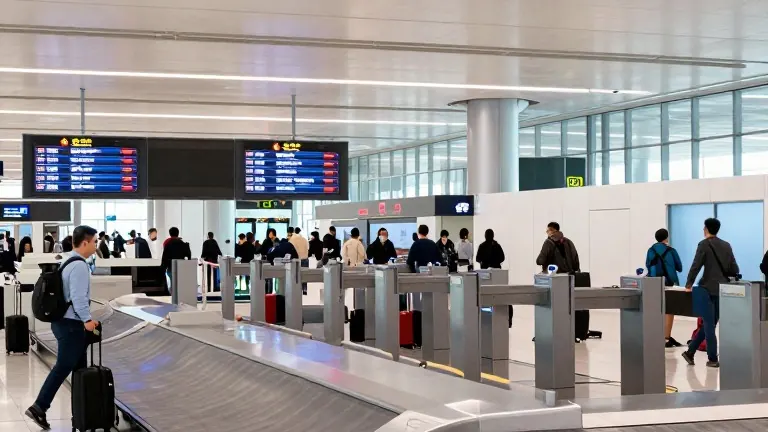
Passengers at Ben-Gurion Airport in Israel are trading vacation plans for voting booths in the final days before the October 27 Knesset election. Channel 13 reported Sunday that airport traffic patterns have shifted sharply, with far more people arriving in the country than leaving it. The data suggests a collective decision among voters to prioritize their civic duty over leisure travel.
The figures for the period between October 17 and October 27 show a clear decline in outbound flights. In 2026, approximately 245,000 passengers departed Israel during this window. That number is down from 270,000 in the same period in 2025 and 323,000 in 2022, the year of the last general election. This drop in departures is notable because airlines have added more aircraft and flights since previous years, indicating that the reduction is driven by traveler choice rather than limited capacity.
The difference between those leaving and those arriving has widened to more than 90,000 passengers in 2026. In 2025, the gap during the corresponding election period was roughly 77,000. No special charter flights were organized for this cycle. Instead, the surge in arrivals relied on existing commercial routes. The increased volume of returning citizens has outpaced the drop in outbound travel, creating a net inflow of people into the country.
Channel 13 estimates that the 90,000-person difference is roughly equivalent to two Knesset seats if all those individuals were eligible voters who cast valid ballots. The calculation carries weight in a proportional representation system where small shifts in turnout can determine which parties clear the 3.25% electoral threshold. While the airport data includes children and foreign nationals who cannot vote, the sheer volume of returning adults suggests a tangible impact on the final seat distribution among the 120 parliamentary positions.
The trend aligns with recent polling on overseas voting habits. A survey by the Fly&Vote initiative estimated that about 67,000 Israelis living abroad intended to travel home to vote. That figure was based on registration data and voluntary responses rather than confirmed arrivals. The Fly&Vote program, run by the AID Coalition, has worked to assist overseas citizens with the process, though its activities faced restrictions after legal challenges initiated by the Likud party. Most Israeli citizens abroad must physically return to the country to cast a ballot, as remote voting is not widely available.
Interest in returning to vote was already visible in August, when organizers arranged dedicated flights from New York and Lisbon to meet demand. The recent data confirms that this early interest translated into actual travel in the final week before the election. The shift in traffic patterns underscores the logistical effort required for diaspora communities to participate in the domestic political process.
Alon Ben-Gurion, the grandson of Israel’s first prime minister, David Ben-Gurion, is among those who made the trip. According to Channel 13, he arrived from the United States with his family and traveled to Tiberias to cast his ballot. His journey mirrors the broader movement of citizens crossing borders to ensure their voices are counted in the upcoming government formation.
The election is scheduled for Tuesday, October 27. The distribution of the 120 Knesset seats will follow proportional rules, meaning that every valid vote contributes to the final allocation. The high volume of returning passengers in the days leading up to the ballot count adds a variable to the final tally that analysts are tracking closely.
Airport authorities have noted that the traffic shift is concentrated in the days immediately preceding the election date. The data reflects a specific behavior pattern where travelers delay departures and accelerate arrivals to ensure they are present for the vote. This pattern contrasts with typical pre-election travel trends where leisure trips often dominate airport traffic.
Source: The Jerusalem Post